


Types of Life Insurance Policies
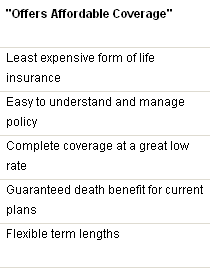
As you probably know, there are two major types of life insurance: term life insurance and permanent. Understanding the difference between the two and choosing the one that fits your needs is an important part of purchasing your policy. Like the name suggests, term life insurance is only good for a certain period of time, usually 10-30 years. A benefit is only paid out if the policy owner should die during the specified term. Term life insurance is typically the least expensive form of life insurance and the most widely used. While a term policy can be extended or renewed when it ends, the premiums are usually more expensive since the policy owner is now significantly older. Unlike permanent forms of life insurance, term policies have no cash value and can be viewed as insurance in the purest sense of the word.
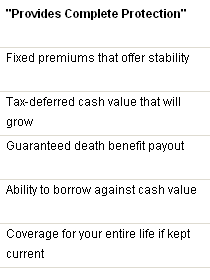
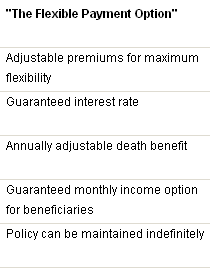
Permanent life insurance encompasses several types of policies, such as whole life insurance and universal life insurance. While all forms of permanent life insurance generally follow the same principles, they differ greatly from term life insurance. Every type of permanent life insurance last for the insured individual's entire life, as long as he or she continues paying their premiums. In addition, permanent life insurance provides a savings element into the equation, allowing the policy to build up a cash value. In most cases, the policy owner pays more into their policy than the premiums required. Over time, that money builds up and can eventually become a substantially larger benefit than those offered in term policies.